Pillar
Archive · Pillar · 07 dossiers

Discovered Yesterday

Discovered Yesterday gathers the finds that only appeared because technology changed: lidar, tomography, DNA sequencing, sonar — new instruments rereading old evidence.

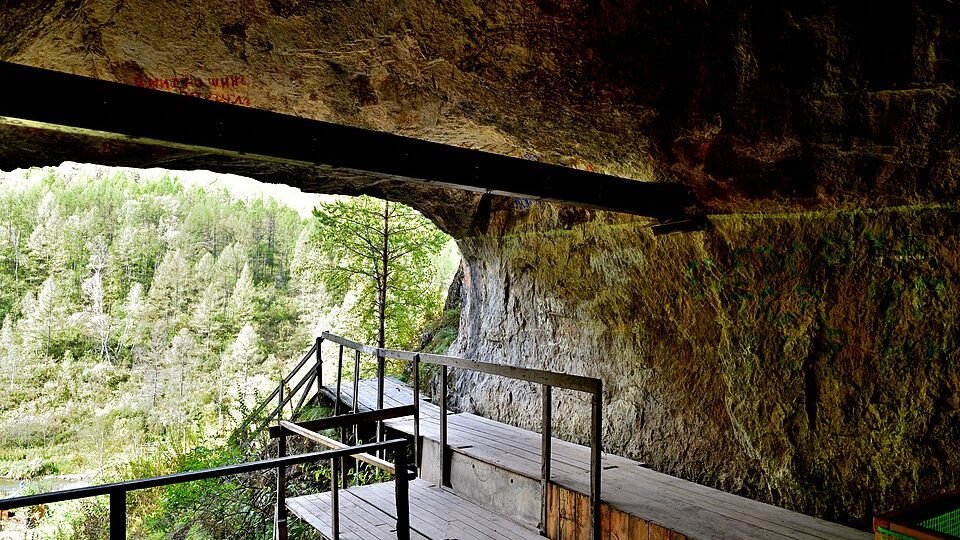
The laser that went through the Amazon canopy and drew streets and earthen pyramids; the tomography combined with machine learning that began to read the carbonized papyri of Herculaneum; the DNA of a finger-bone fragment that revealed the Denisovans; the charcoal of Serra da Capivara, in Piauí, that does not fit the chronology of the Americas; the X-rays and tomography that read the gears of the Antikythera mechanism; the sonar image of the Baltic anomaly; and the statistical model that estimated a ghost DNA in West African populations.

A recent discovery is not a closed case. In several of these dossiers the data is solid and the interpretation is still disputed, and the text keeps the two apart.

The 7 dossiers in this pillar

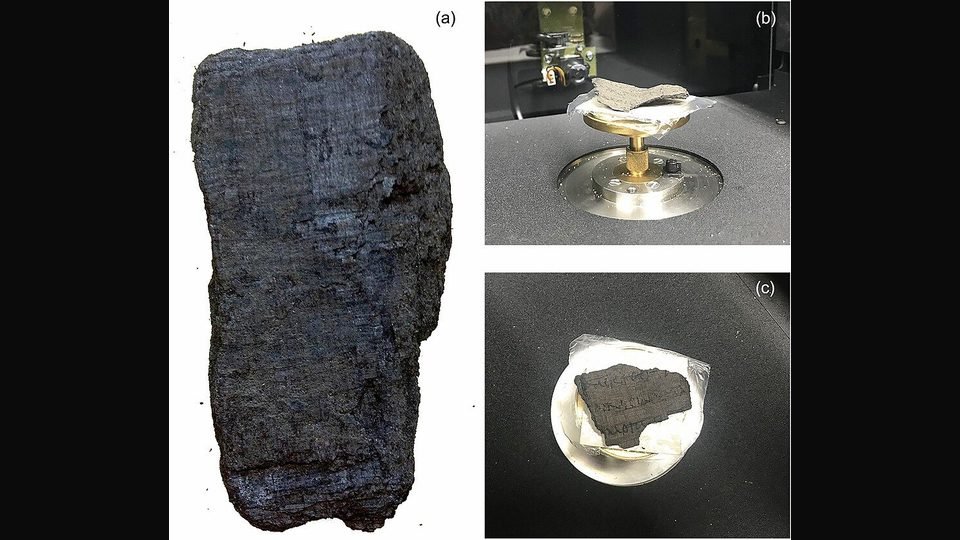
Photograph of a carbonized Herculaneum papyrus fragment, black and cracked, beside laboratory images of other fragments Archive

The Herculaneum Papyri

Discovered Yesterday · Vesuvius, AD 79
Published

Photo Sara Stabile, Francesca Palermo, Inna Bukreeva, Daniela Mele et al. · CC BY 4.0 · reduced

Carbonized scrolls1,814
Read without openingsince 2023

The library exists, survived in quantity, and cannot be opened. Vesuvius turned the scrolls into charcoal. Two centuries of attempts destroyed dozens of them. It was tomography combined with machine learning that began to read the ink without touching the papyrus.

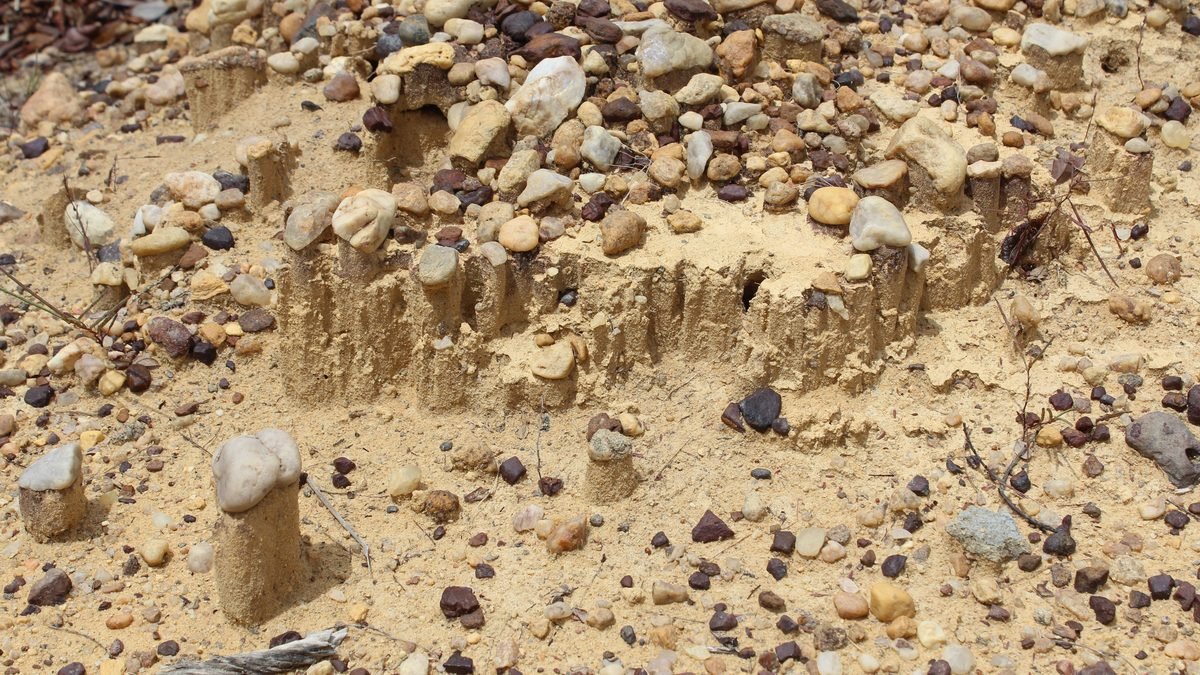
Photograph of an eroded conglomerate deposit in Serra da Capivara, with loose pebbles on columns of sand Archive

Serra da Capivara

Discovered Yesterday · Piauí, Brazil
Published

Photo Mateus S. Figueiredo · CC BY-SA 4.0 · cropped

Contested datingup to 60 thousand years
Best-supported marker today21 to 23 thousand years

The charcoal of Piauí does not fit the chronology of the Americas. If the deepest layers really are from human fire, someone arrived here tens of thousands of years before the first accepted peopling. The debate has never cooled — and not for lack of excavation.

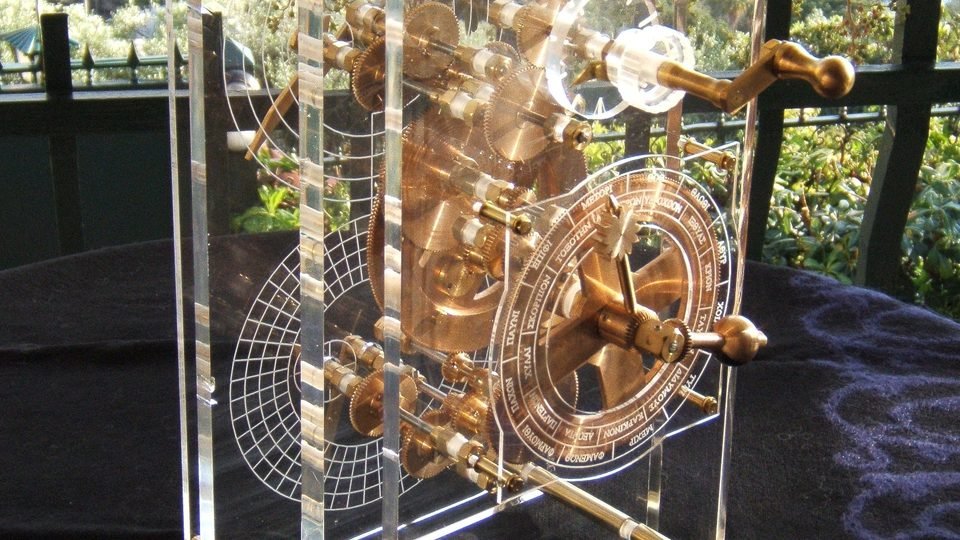
Modern mechanical model of the Antikythera mechanism, in a transparent case: bronze gears exposed and, at the front, the dial with the names of the months in Greek Model

The Antikythera mechanism

Discovered Yesterday · Aegean, Greece
Published

Mechanical model · photo Mogi Vicentini · CC BY 2.5 · cropped

Recovered in1901
Gears30 survived

A bronze astronomical calculator more than two thousand years old. It came out of a shipwreck as a shapeless green lump. It took X-rays, tomography and a century of work to read, inside it, a gear train that predicted eclipses — and there is still disagreement over when and where it was made.

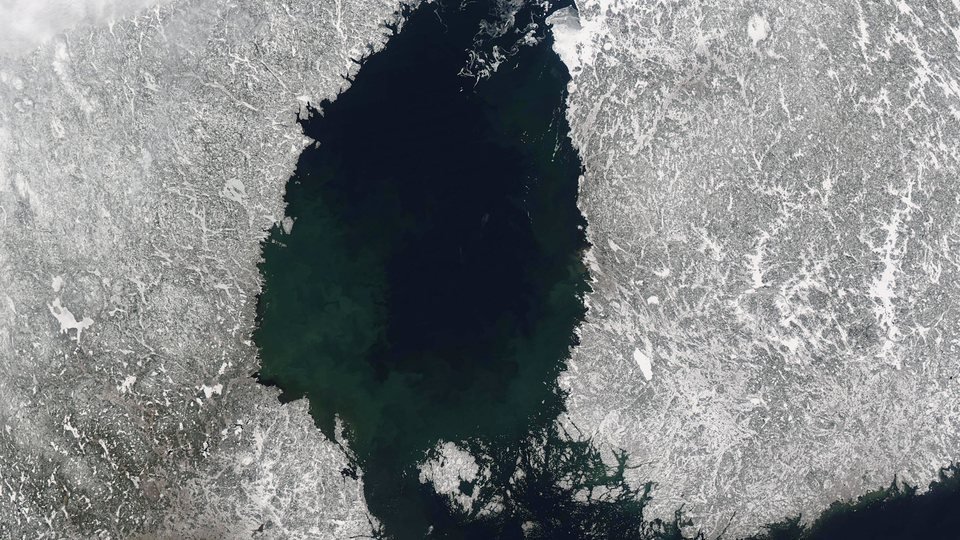
Satellite image of the Bothnian Sea at the end of winter: the dark water of the gulf between the snowy coasts of Sweden, on the left, and Finland, on the right Archive

The Baltic Sea anomaly

Discovered Yesterday · Gulf of Bothnia
Published

Image NASA/GSFC, MODIS · public domain · cropped

Sonar2011
Depth≈ 85 – 91 m

A circular shape on the seabed, found by chance. A survey in search of shipwrecks returned a sonar image too round to ignore. The stones that came up from the bottom were granite, gneiss and sandstone with an iron crust; the internet read something else. The dossier separates the sonar's echo from the reading of the echo — and tells what the 2025 expedition has not yet published.

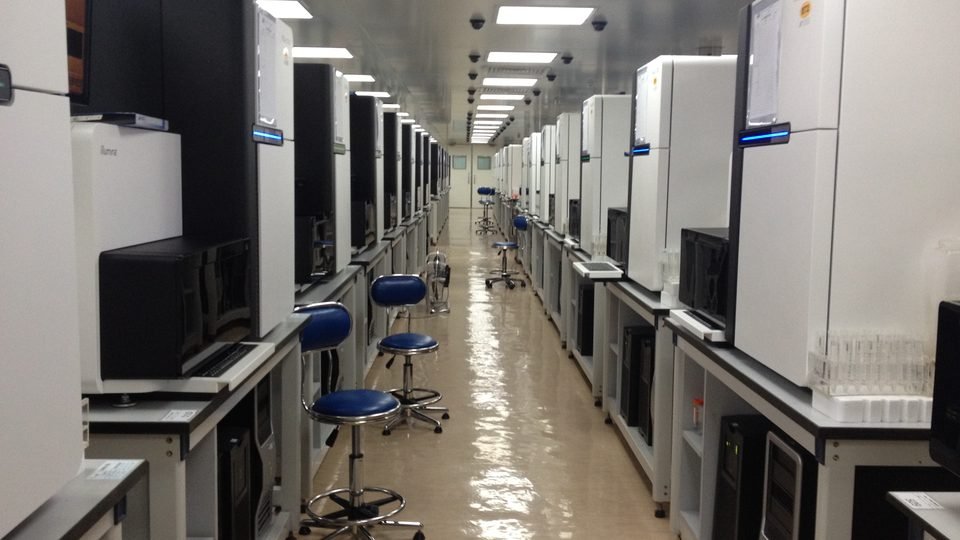
Long corridor of a DNA sequencing laboratory, with rows of white sequencers on both sides and empty blue stools Archive

The ghost DNA of West Africa

Discovered Yesterday · Population genetics
Published

Photo Scotted400 · CC BY 3.0 · cropped

Key estimate2020
Fossilsnone associated

A human lineage known only through statistics. In 2020, a model estimated that West African populations carry 2% to 19% inheritance from a group that split from ours hundreds of thousands of years ago — with no bone at all. In 2023, another model explained the same signal without it. The dossier separates the data from the interpretation.