Pillar
Archive · Pillar · 03 dossiers

The Last Isolated

The Last Isolated gathers territories and peoples beyond the reach of the contemporary world — and what our curiosity costs them.

North Sentinel Island, in the Andaman archipelago, whose population has refused contact for generations; the Mashco Piro, descendants of those who fled the rubber-boom massacres, in voluntary isolation between Peru and Acre; and the Korowai, of Papua, whose treetop houses became, over thirty years of photographs, the portrait of an entire people.

In these dossiers the mystery is not buried. Almost everything known was seen from afar, and the question changes: it is not only what exists there, it is what we decide not to ask.

The 3 dossiers in this pillar

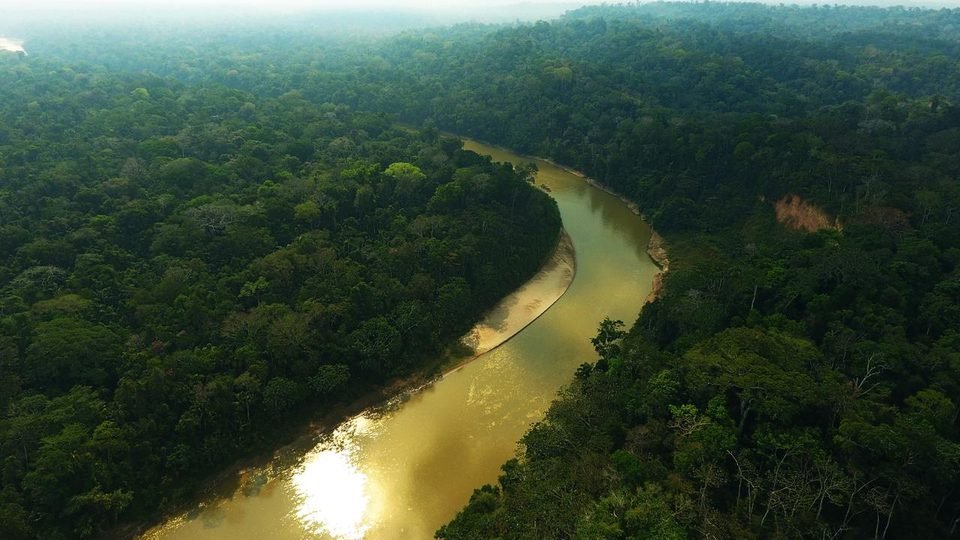
The Las Piedras River, in Madre de Dios, seen from a drone: muddy water curving through dense forest, with a sand beach on the bank Archive

The Mashco Piro people

The Last Isolated · Madre de Dios, Peru
Published

Photo Julio Araújo Flores and Patrick Champagne (ARCAmazon) · CC BY-SA 4.0 · cropped

Estimated population≈ 750
2002 reserve829,941 ha

They are appearing on the riverbanks — and that is a symptom. Descendants of those who fled the rubber massacres, the Mashco Piro live in voluntary isolation between Peru and Acre. In 2024 they appeared in front of villages and shot at loggers; in September 2026 the Inter-American Court heard the case. Each sighting measures the pressure on the forest, not their curiosity.

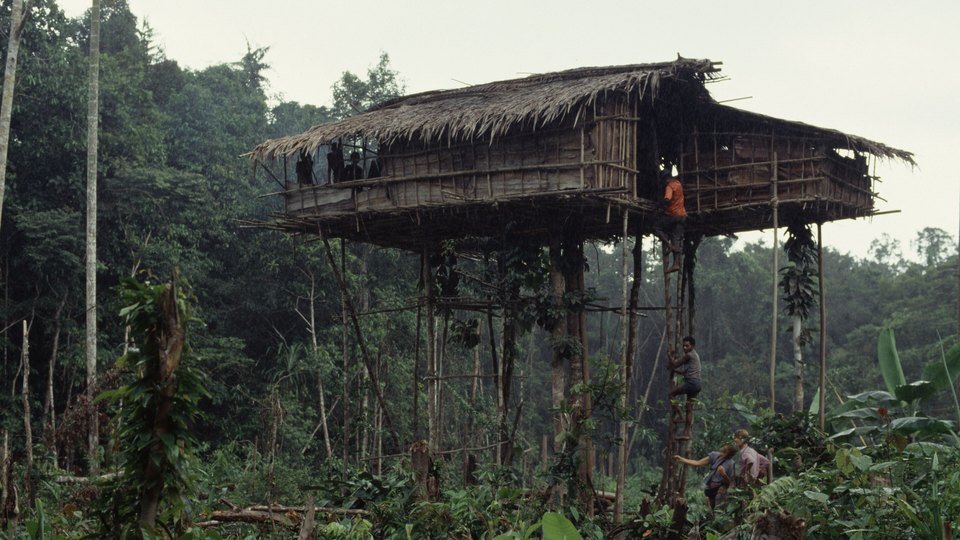
Korowai house raised on trunks and poles in a forest clearing, near Mbasman, in 1992, with a palm-leaf roof and small figures in the distance climbing the ladder Archive

The Korowai

The Last Isolated · Papua, Indonesia
Published

Photo Wim van Oijen, Wereldmuseum · CC BY 4.0 · cropped

Common house3 to 9 m off the ground
Regular contactsince 1978

The house in the treetop exists — and today it is almost always built to order. Thirty years of photographs turned a rare dwelling into the portrait of an entire people. The BBC admitted it had filmed a house built for the cameras; ethnography tells another story, about witchcraft, new villages and tourism — and in 2026 the Korowai area became a zone of armed conflict.