Pillar
Archive · Pillar · 07 dossiers

Stone and Dust

Stone and Dust gathers the dossiers on ancient monuments and sites that do not fit the accepted chronology: what was raised, painted or scraped into the ground before there was anyone who, in theory, knew how to do it.

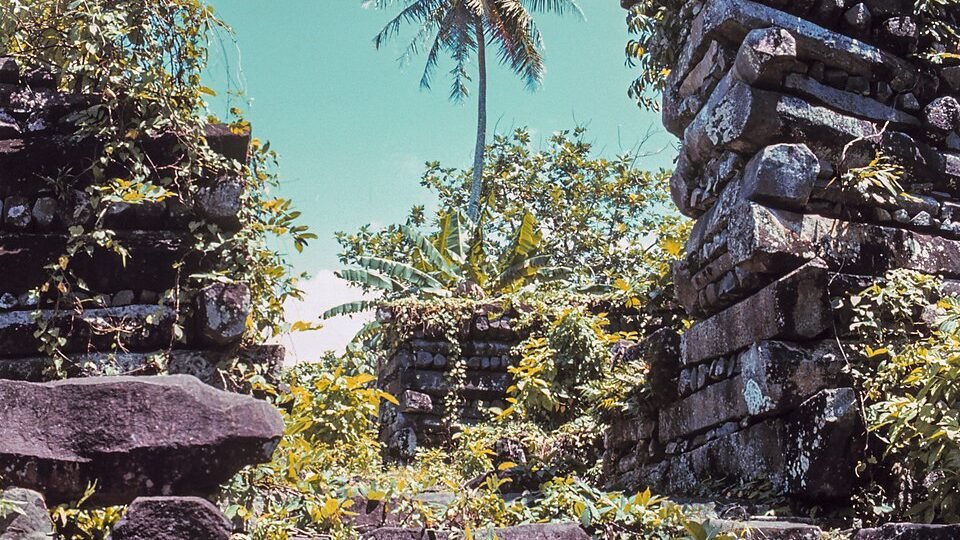
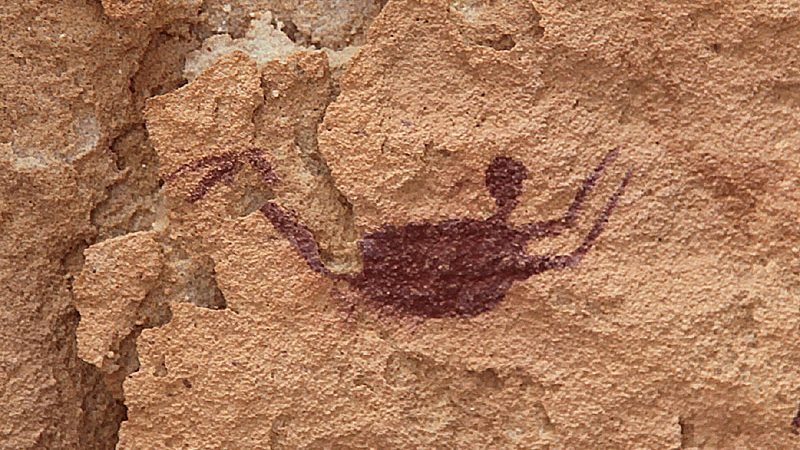
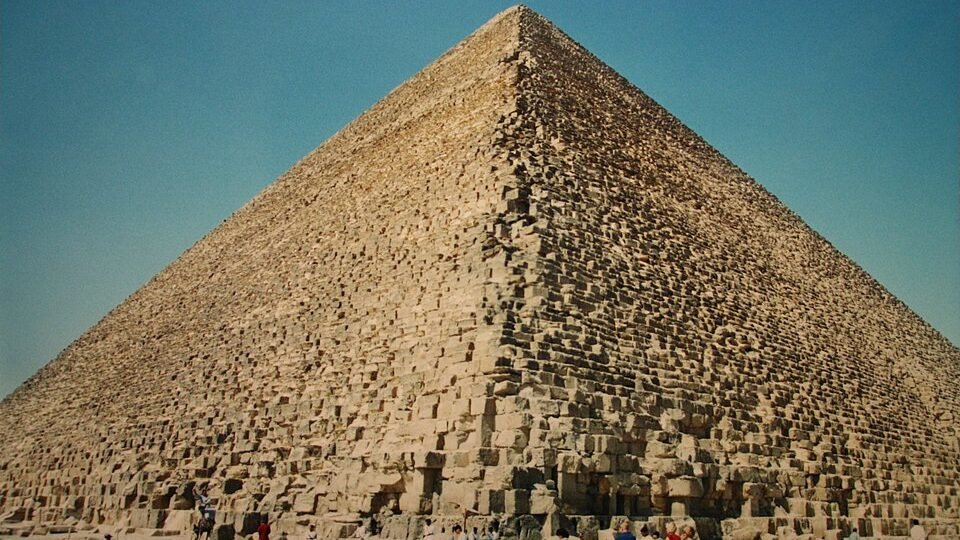
There are seven cases. The pillars of Göbekli Tepe, raised by hunter-gatherers before agriculture; the swimmers painted in the Gilf Kebir, one of the driest places on the planet; the voids that particle detectors mapped inside the Great Pyramid; the basalt city of Nan Madol, built on a reef in Micronesia; the Nazca Lines, scraped into the Peruvian desert; the H-shaped blocks of Puma Punku, on the Bolivian altiplano; and the moai of Rapa Nui, with whole bodies under the hillside.

In all of them, the chronology comes before the theory: first what is in the ground and how it was dated, then the hypotheses, from the most sober to the most improbable, with the weight of evidence for each one stated.

The 7 dossiers in this pillar

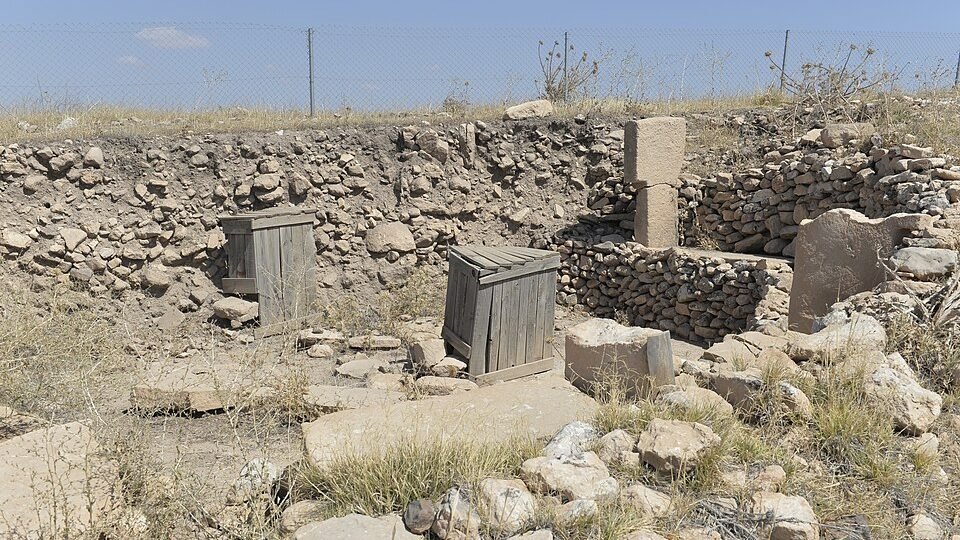
Photograph of the Göbekli Tepe archaeological park under its protective roof Archive

Göbekli Tepe

Stone and Dust · Şanlıurfa, Turkey
Published

Photo Philrock · CC BY-SA 4.0 · cropped

Age11,600 years
Excavated≈ 10% of the site

The enclosures did not collapse: they were found full. Hunter-gatherers raised limestone pillars five and a half meters tall on top of a hill without water — six thousand five hundred years before Stonehenge, before agriculture and pottery. Centuries later, everything vanished under debris. Schmidt read a ritual burial there; the team digging today sees the hillside giving way.
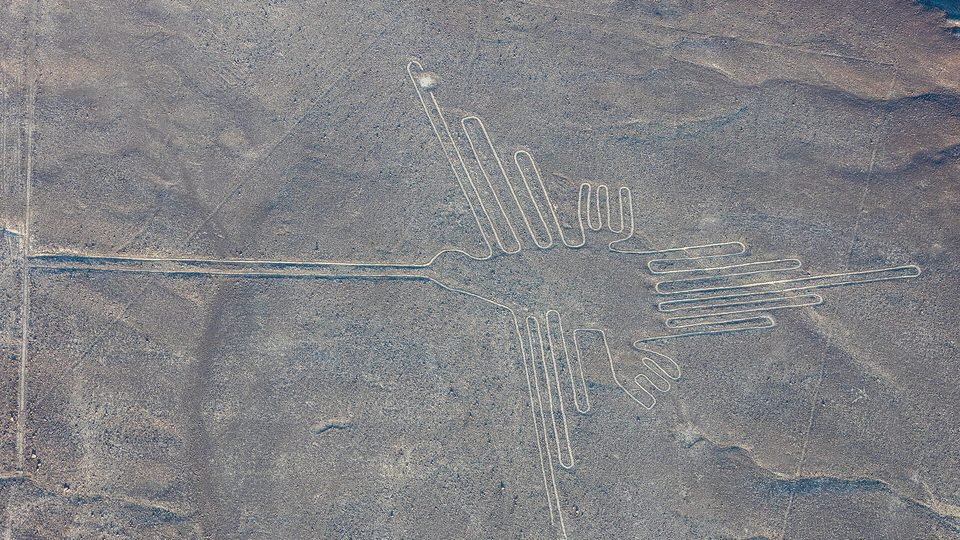
Aerial view of the Nazca hummingbird geoglyph, drawn in a continuous pale line on the grey desert, with a long beak and open wings Archive

The Nazca Lines

Stone and Dust · Pampa de Nazca, Peru
Published

Photo Diego Delso · CC BY-SA 4.0 · cropped

Extent≈ 450 km²
Figures893 known

Drawings too large for their makers to see — or almost. Figures and straight lines scraped into the desert between about 500 BC and AD 500. The large ones seem to have been paths to walk; hundreds of small figures, found with artificial intelligence since 2019, sit beside trails and can be read from the ground.

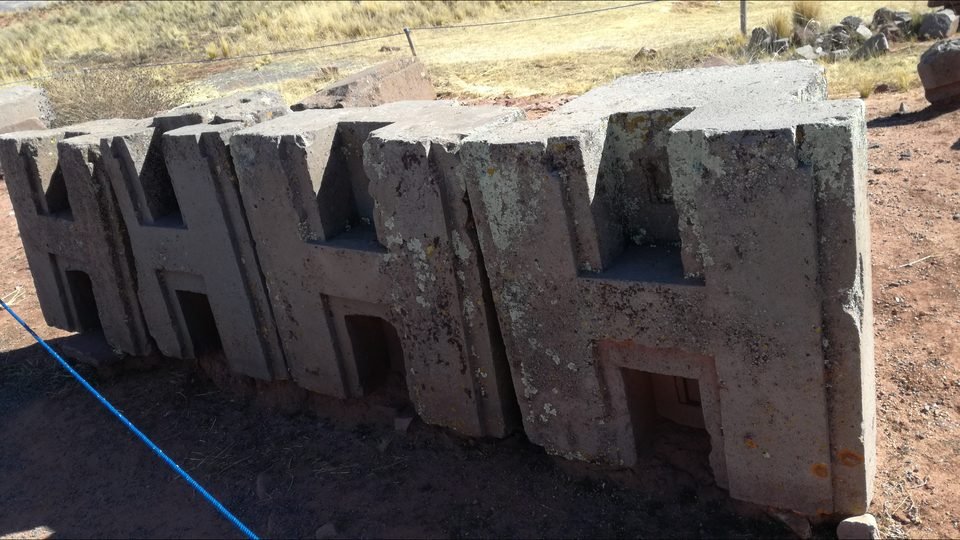
Row of grey andesite blocks with an H-shaped profile, lined up side by side on reddish earth at Puma Punku Archive

Puma Punku

Stone and Dust · Altiplano, Bolivia
Published

Photo Benjamin Burga · CC BY-SA 4.0 · cropped

Construction≈ AD 580 – 710
Andesite blocks≈ 150, none in place

Pieces that fit together as if they had been mass-produced. Andesite H-blocks, sandstone slabs weighing dozens of tons and bronze cramps cast into the stone itself, at almost four thousand meters. An unfinished temple, dismantled over five centuries — and the stones refute, one by one, the thesis that someone from outside built it.

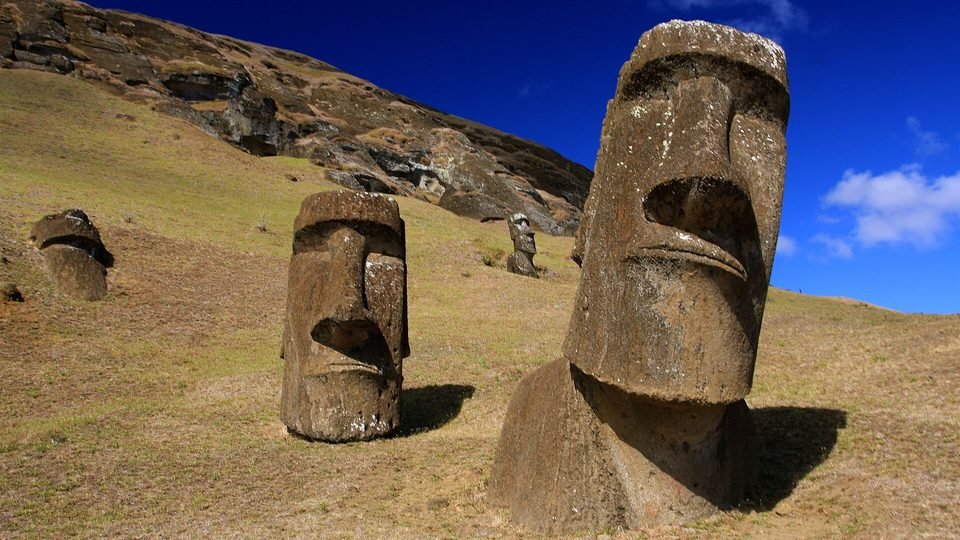
Moai on the slope of Rano Raraku, on Easter Island, buried up to the chest in the grass, with the quarry wall behind them under a blue sky Archive

The moai of Easter Island

Stone and Dust · Rapa Nui, Chile
Published

Photo TravelingOtter · CC BY 2.0 · cropped

Statues≈ 900 to 1,000
Largest erected≈ 10 m

The heads of Rano Raraku have whole bodies under the ground. The quarry still holds hundreds of half-finished moai. How they were moved, why they stopped being made and what really happened to the population are three distinct questions — and the research of 2024 and 2025 answered each of them differently from the version that became a best-seller.