Archive
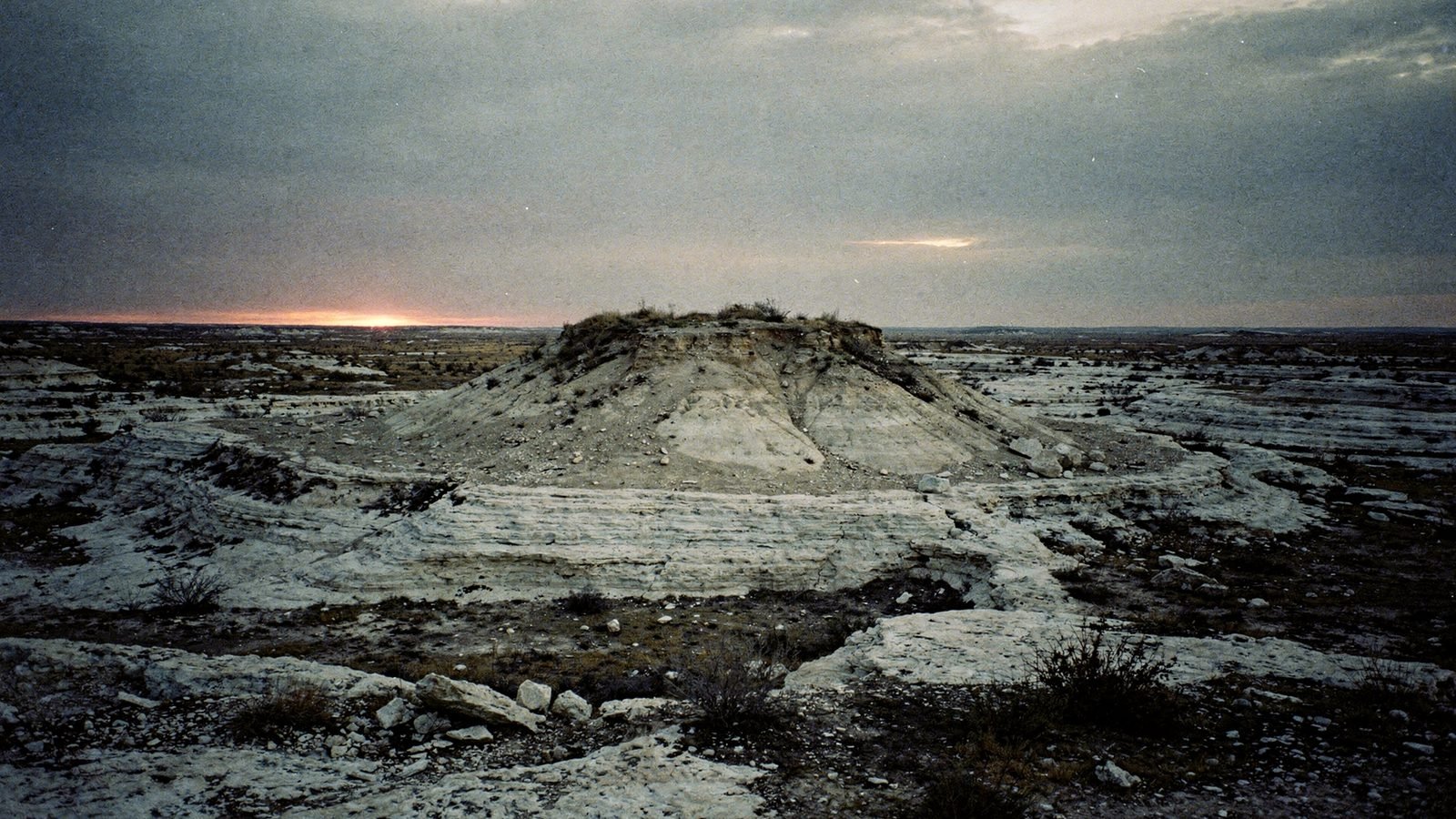
Re-creation of the hill of Göbekli Tepe at dusk, in southeastern Turkey Re-creation Open archive · 22 dossiers

Not everything that was buried wanted to be found.

Investigations into places, documents and peoples that science has only half reached. Each dossier gathers the material that exists, what is disputed in academia and what remains unanswered.

Dossiers22
Published22
Pillars04
UpdatedOct 2026
22 dossiers
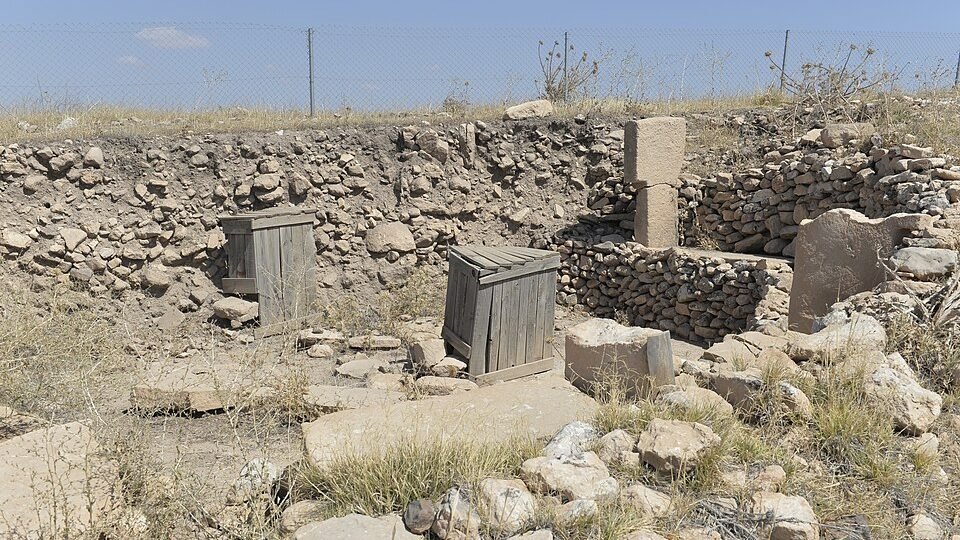
Photograph of the Göbekli Tepe archaeological park under its protective roof Archive

Göbekli Tepe

Stone and Dust · Şanlıurfa, Turkey
Published

Photo Philrock · CC BY-SA 4.0 · cropped

Age11,600 years
Excavated≈ 10% of the site

The enclosures did not collapse: they were found full. Hunter-gatherers raised limestone pillars five and a half meters tall on top of a hill without water — six thousand five hundred years before Stonehenge, before agriculture and pottery. Centuries later, everything vanished under debris. Schmidt read a ritual burial there; the team digging today sees the hillside giving way.
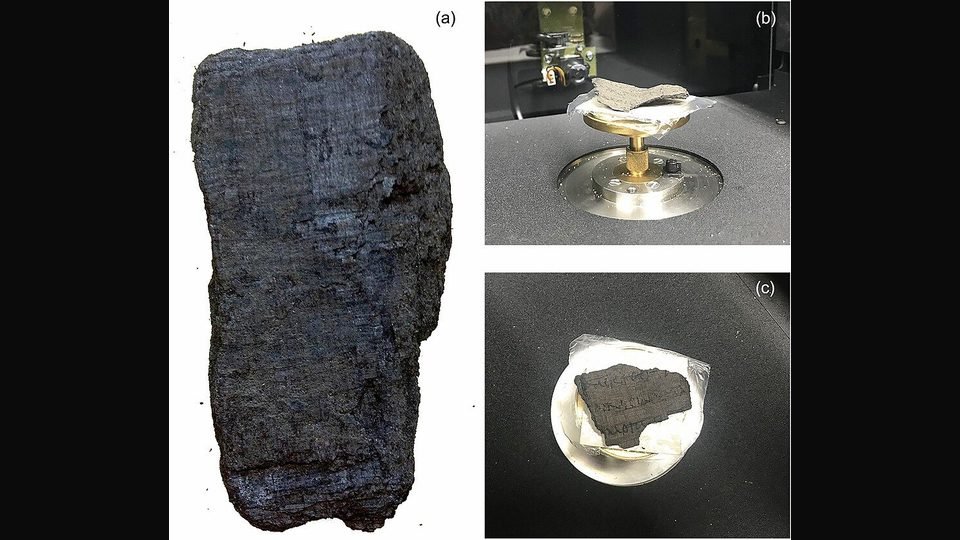
Photograph of a carbonized Herculaneum papyrus fragment, black and cracked, beside laboratory images of other fragments Archive

The Herculaneum Papyri

Discovered Yesterday · Vesuvius, AD 79
Published

Photo Sara Stabile, Francesca Palermo, Inna Bukreeva, Daniela Mele et al. · CC BY 4.0 · reduced

Carbonized scrolls1,814
Read without openingsince 2023

The library exists, survived in quantity, and cannot be opened. Vesuvius turned the scrolls into charcoal. Two centuries of attempts destroyed dozens of them. It was tomography combined with machine learning that began to read the ink without touching the papyrus.

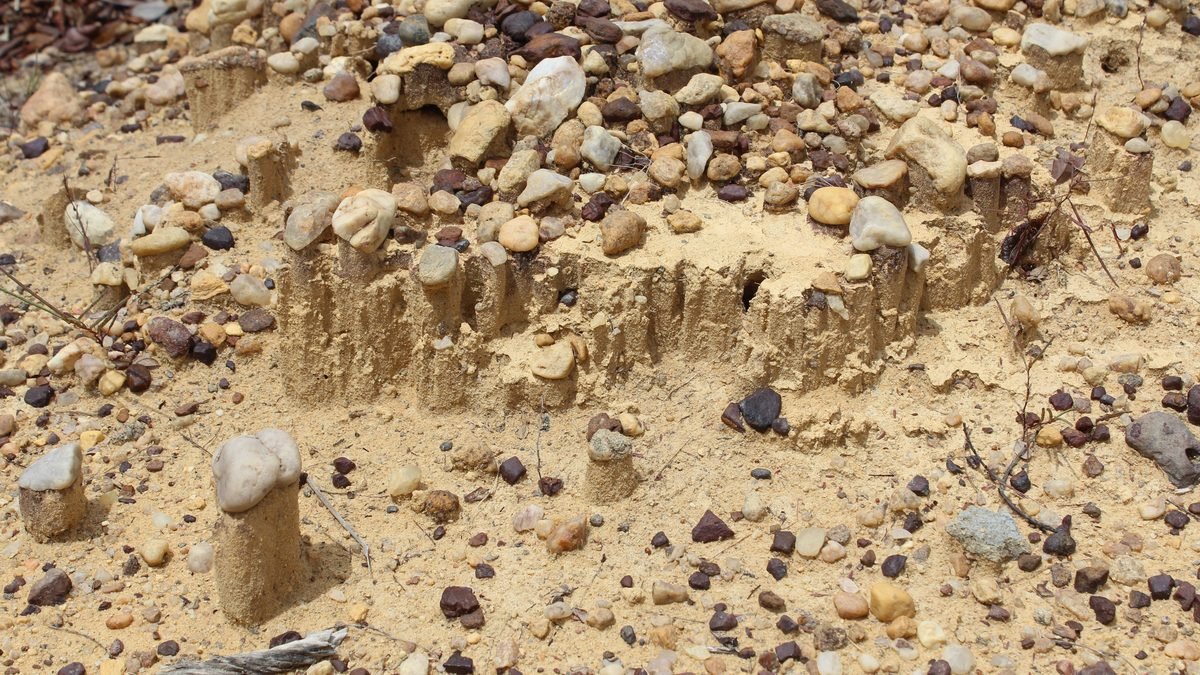
Photograph of an eroded conglomerate deposit in Serra da Capivara, with loose pebbles on columns of sand Archive

Serra da Capivara

Discovered Yesterday · Piauí, Brazil
Published

Photo Mateus S. Figueiredo · CC BY-SA 4.0 · cropped

Contested datingup to 60 thousand years
Best-supported marker today21 to 23 thousand years

The charcoal of Piauí does not fit the chronology of the Americas. If the deepest layers really are from human fire, someone arrived here tens of thousands of years before the first accepted peopling. The debate has never cooled — and not for lack of excavation.

Modern mechanical model of the Antikythera mechanism, in a transparent case: bronze gears exposed and, at the front, the dial with the names of the months in Greek Model

The Antikythera mechanism

Discovered Yesterday · Aegean, Greece
Published

Mechanical model · photo Mogi Vicentini · CC BY 2.5 · cropped

Recovered in1901
Gears30 survived

A bronze astronomical calculator more than two thousand years old. It came out of a shipwreck as a shapeless green lump. It took X-rays, tomography and a century of work to read, inside it, a gear train that predicted eclipses — and there is still disagreement over when and where it was made.

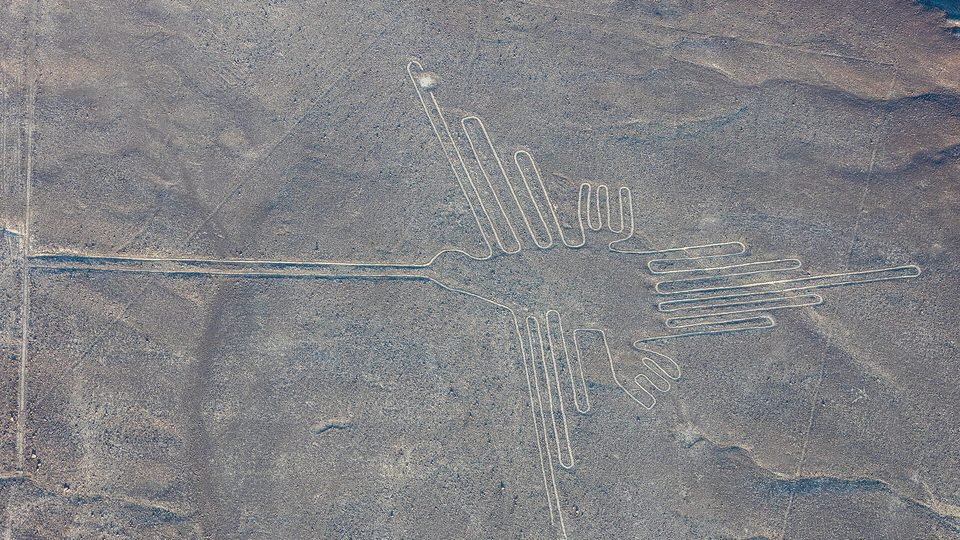
Aerial view of the Nazca hummingbird geoglyph, drawn in a continuous pale line on the grey desert, with a long beak and open wings Archive

The Nazca Lines

Stone and Dust · Pampa de Nazca, Peru
Published

Photo Diego Delso · CC BY-SA 4.0 · cropped

Extent≈ 450 km²
Figures893 known

Drawings too large for their makers to see — or almost. Figures and straight lines scraped into the desert between about 500 BC and AD 500. The large ones seem to have been paths to walk; hundreds of small figures, found with artificial intelligence since 2019, sit beside trails and can be read from the ground.

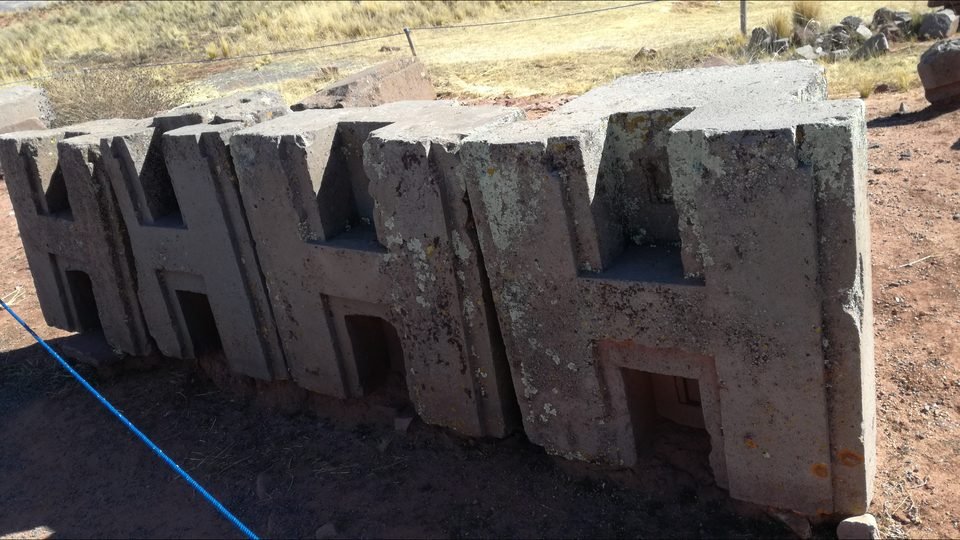
Row of grey andesite blocks with an H-shaped profile, lined up side by side on reddish earth at Puma Punku Archive

Puma Punku

Stone and Dust · Altiplano, Bolivia
Published

Photo Benjamin Burga · CC BY-SA 4.0 · cropped

Construction≈ AD 580 – 710
Andesite blocks≈ 150, none in place

Pieces that fit together as if they had been mass-produced. Andesite H-blocks, sandstone slabs weighing dozens of tons and bronze cramps cast into the stone itself, at almost four thousand meters. An unfinished temple, dismantled over five centuries — and the stones refute, one by one, the thesis that someone from outside built it.

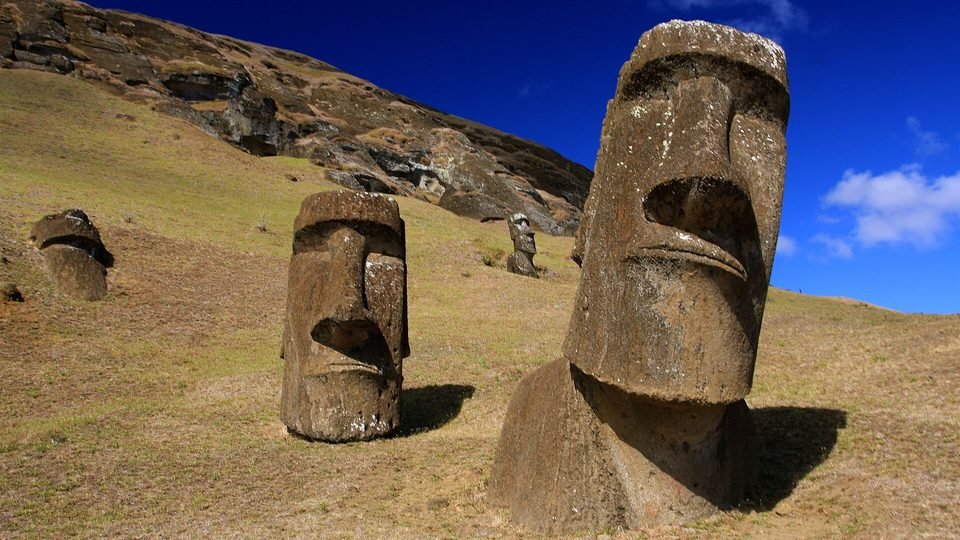
Moai on the slope of Rano Raraku, on Easter Island, buried up to the chest in the grass, with the quarry wall behind them under a blue sky Archive

The moai of Easter Island

Stone and Dust · Rapa Nui, Chile
Published

Photo TravelingOtter · CC BY 2.0 · cropped

Statues≈ 900 to 1,000
Largest erected≈ 10 m

The heads of Rano Raraku have whole bodies under the ground. The quarry still holds hundreds of half-finished moai. How they were moved, why they stopped being made and what really happened to the population are three distinct questions — and the research of 2024 and 2025 answered each of them differently from the version that became a best-seller.

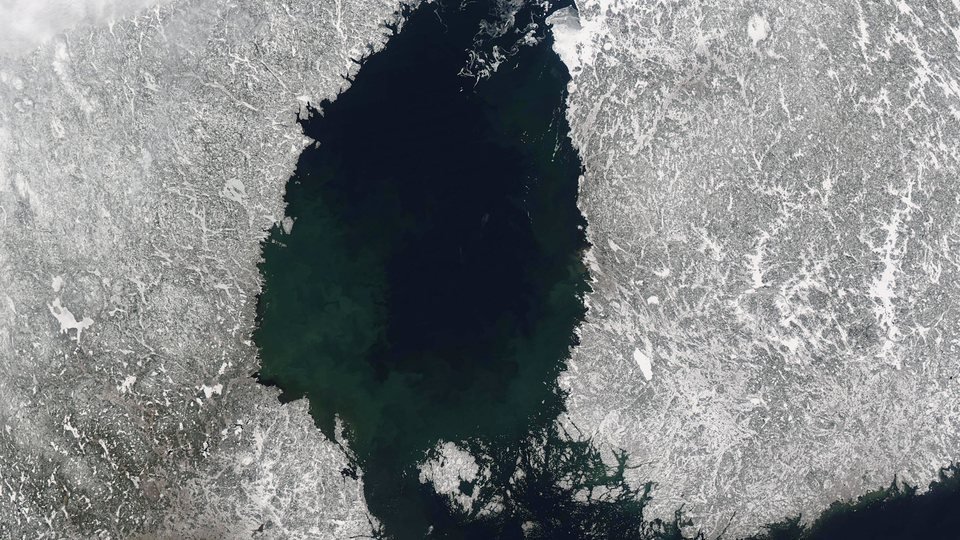
Satellite image of the Bothnian Sea at the end of winter: the dark water of the gulf between the snowy coasts of Sweden, on the left, and Finland, on the right Archive

The Baltic Sea anomaly

Discovered Yesterday · Gulf of Bothnia
Published

Image NASA/GSFC, MODIS · public domain · cropped

Sonar2011
Depth≈ 85 – 91 m

A circular shape on the seabed, found by chance. A survey in search of shipwrecks returned a sonar image too round to ignore. The stones that came up from the bottom were granite, gneiss and sandstone with an iron crust; the internet read something else. The dossier separates the sonar's echo from the reading of the echo — and tells what the 2025 expedition has not yet published.

Long corridor of a DNA sequencing laboratory, with rows of white sequencers on both sides and empty blue stools Archive

The ghost DNA of West Africa

Discovered Yesterday · Population genetics
Published

Photo Scotted400 · CC BY 3.0 · cropped

Key estimate2020
Fossilsnone associated

A human lineage known only through statistics. In 2020, a model estimated that West African populations carry 2% to 19% inheritance from a group that split from ours hundreds of thousands of years ago — with no bone at all. In 2023, another model explained the same signal without it. The dossier separates the data from the interpretation.

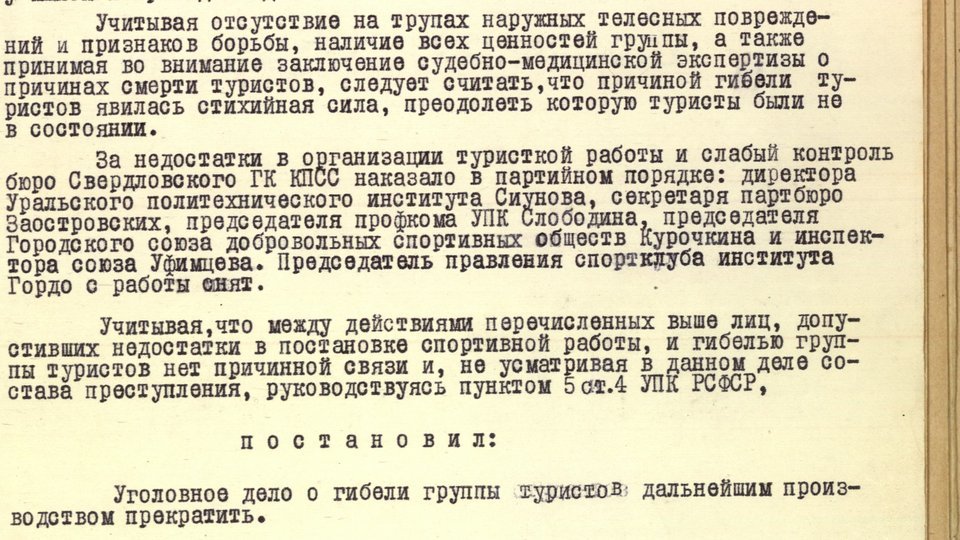
Typewritten excerpt in Russian of the order of May 28, 1959 that closed the case on the death of Igor Dyatlov's group, with the phrase about the elemental force and the order to close the file Archive

The Dyatlov Pass incident

Sealed Archive · Urals, USSR, 1959
Published

Sverdlovsk regional Procuracy, 1959 · public domain · cropped

Dead9
Tentcut from the inside

Nine skiers left their tent in the dark, almost all of them without boots. The Soviet inquiry closed the case in 1959, attributing the deaths to an elemental force, and filed the records away. In 2020 the Russian Prosecutor's Office concluded it was an avalanche, a 2021 model showed that one is possible — and in June 2026 the families again asked for a new case.

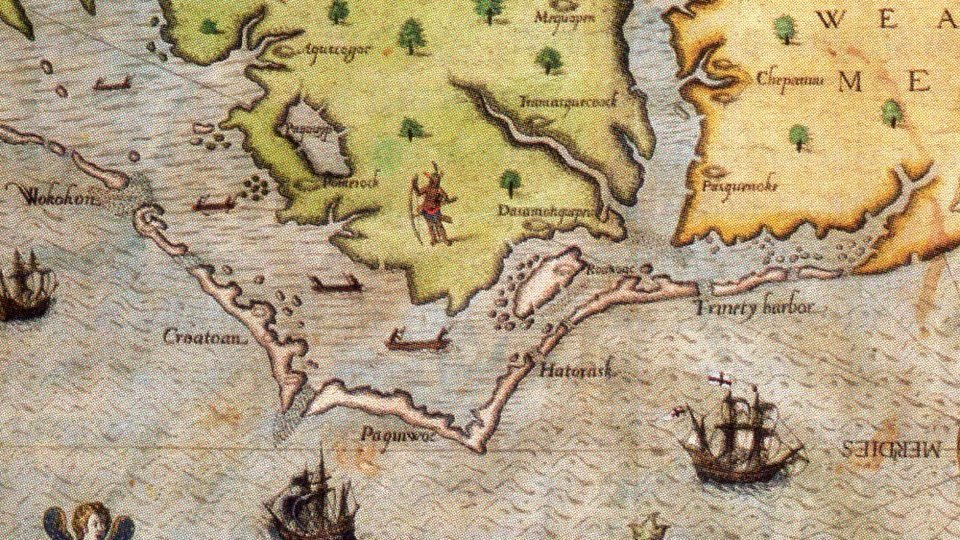
Colored detail of Theodor de Bry's 1590 map, based on John White: the chain of North Carolina sand islands with the names Croatoan and Hatorask, little Roanoke Island in the sound and English ships at sea Archive

The lost colony of Roanoke

Sealed Archive · North Carolina, 1590
Published

Theodor de Bry after John White, 1590 · public domain · cropped

Colonists110 to 119
Left behindone word

A settlement abandoned its site, and left word of where it was going. When the supply ship came back, three years late because of the war with Spain, the houses had been taken down and CROATOAN was carved on a post. In 2026, two teams announced they had found the colonists — in two different places, and neither with a peer-reviewed paper.

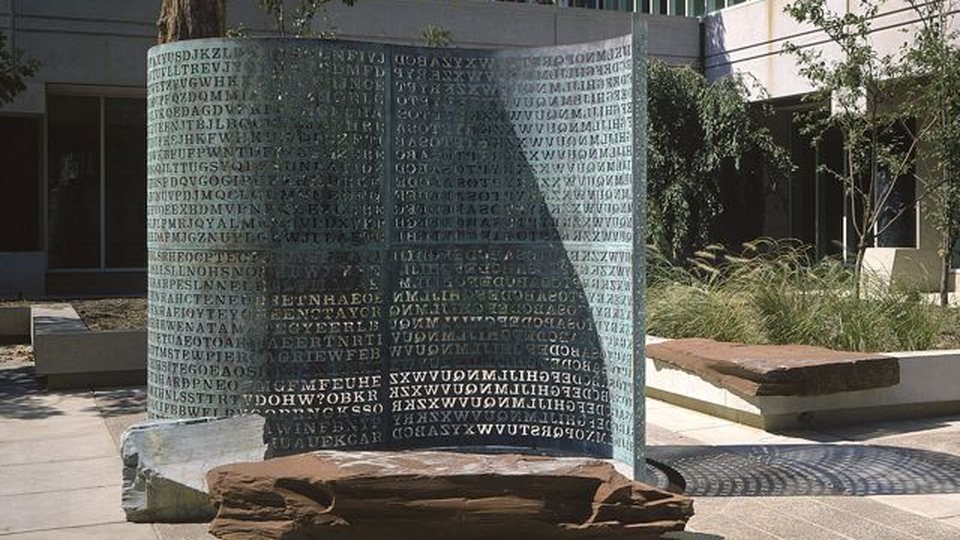
The Kryptos sculpture in the courtyard of CIA headquarters: a curved sheet of greenish copper cut through with letters, on a reddish stone slab Archive

Kryptos

Sealed Archive · Langley, Virginia
Published

Photo Jim Sanborn · CC BY-SA 3.0 · cropped

Installed in1990
Sections solved3 of 4

A sculpture in the CIA courtyard holds a text no one has deciphered. Jim Sanborn cut four encrypted messages into a copper sheet. Three fell by 1999. The fourth, 97 letters long, was found in a Smithsonian archive in 2025, sold for $962.5 thousand and locked inside a checker — but the method remains unknown.

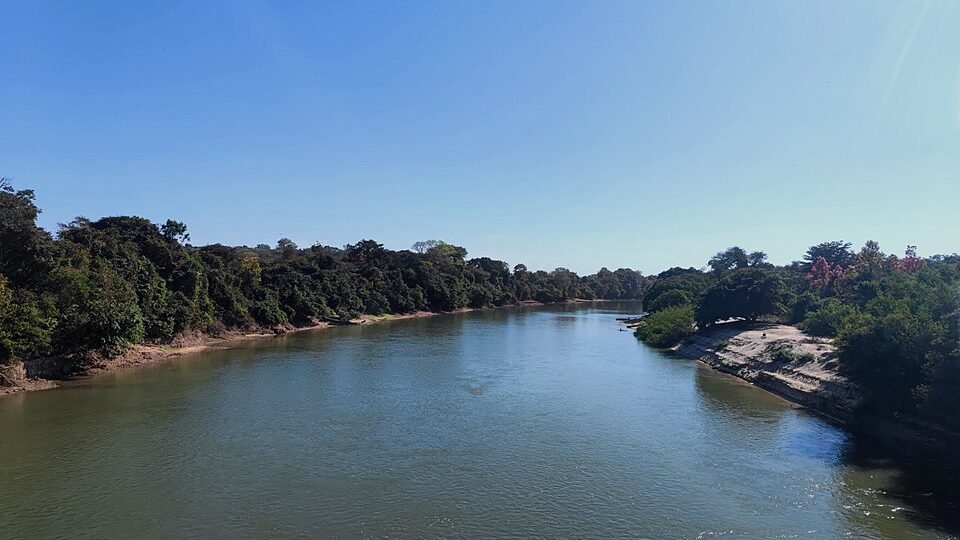
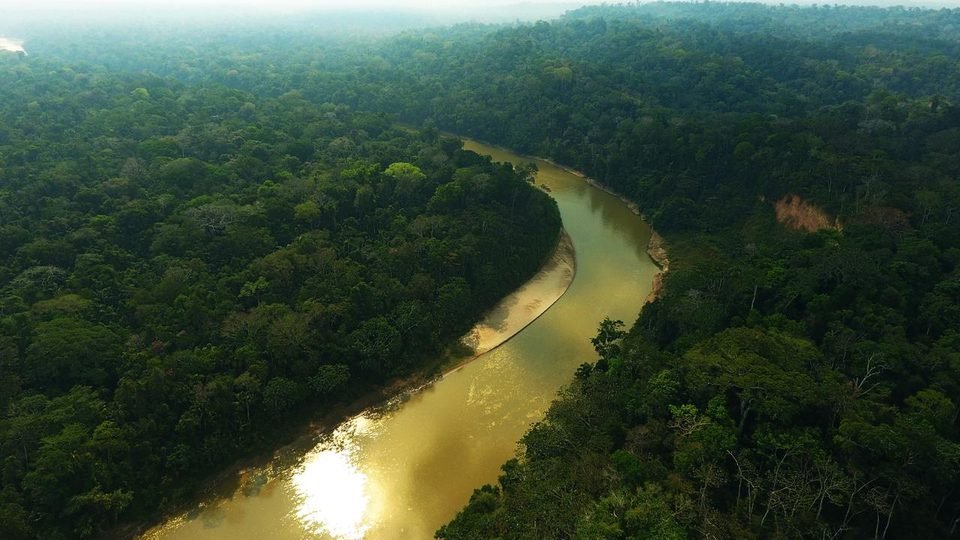
The Las Piedras River, in Madre de Dios, seen from a drone: muddy water curving through dense forest, with a sand beach on the bank Archive

The Mashco Piro people

The Last Isolated · Madre de Dios, Peru
Published

Photo Julio Araújo Flores and Patrick Champagne (ARCAmazon) · CC BY-SA 4.0 · cropped

Estimated population≈ 750
2002 reserve829,941 ha

They are appearing on the riverbanks — and that is a symptom. Descendants of those who fled the rubber massacres, the Mashco Piro live in voluntary isolation between Peru and Acre. In 2024 they appeared in front of villages and shot at loggers; in September 2026 the Inter-American Court heard the case. Each sighting measures the pressure on the forest, not their curiosity.

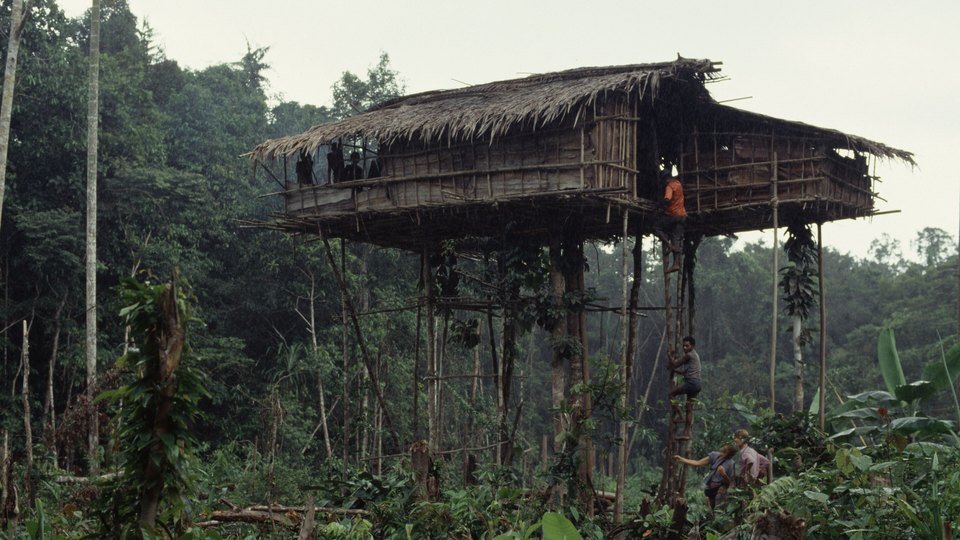
Korowai house raised on trunks and poles in a forest clearing, near Mbasman, in 1992, with a palm-leaf roof and small figures in the distance climbing the ladder Archive

The Korowai

The Last Isolated · Papua, Indonesia
Published

Photo Wim van Oijen, Wereldmuseum · CC BY 4.0 · cropped

Common house3 to 9 m off the ground
Regular contactsince 1978

The house in the treetop exists — and today it is almost always built to order. Thirty years of photographs turned a rare dwelling into the portrait of an entire people. The BBC admitted it had filmed a house built for the cameras; ethnography tells another story, about witchcraft, new villages and tourism — and in 2026 the Korowai area became a zone of armed conflict.

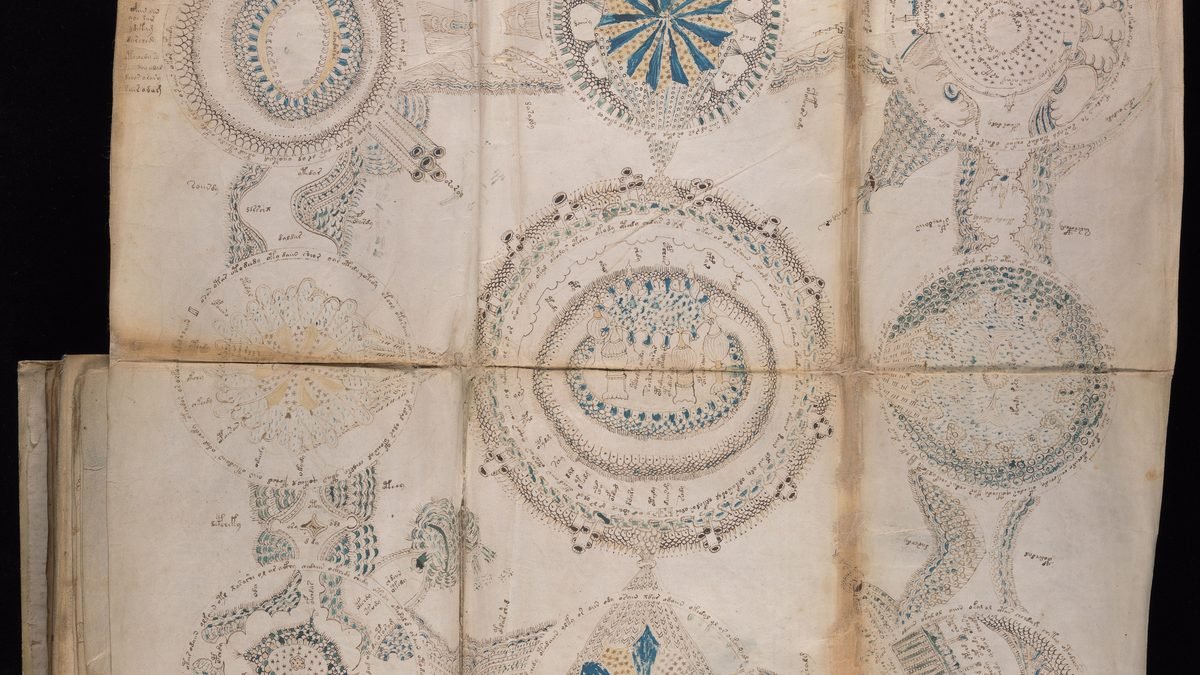
How the archive is organized

Four fronts, four ways a mystery holds out.

An enigma survives for different reasons: because the stone is too old, because the technology only arrived now, because the paper was never read, or because no one could get close.

Stone and Dust

Architecture and engineering that do not fit the accepted chronology. What was built before there was anyone who, in theory, knew how to build it.

07 dossiers

Discovered Yesterday

Finds that only appeared because technology changed. Lidar, tomography, sequencing — new instruments rereading old evidence.

07 dossiers

Sealed Archive

Undeciphered documents and expeditions without an ending. Cases in which the record exists, is preserved — and remains illegible.

05 dossiers

The Last Isolated

Territories and peoples beyond the reach of the contemporary world — and what our curiosity costs them.

03 dossiers
Criteria

What goes into a dossier and what does not.

01 Chronology before theory. Dates, coordinates and who was present come first. Interpretation comes after, identified as interpretation.
02 Both ends of the debate. The academic reading and the conspiratorial one appear side by side, with the weight of evidence for each stated.
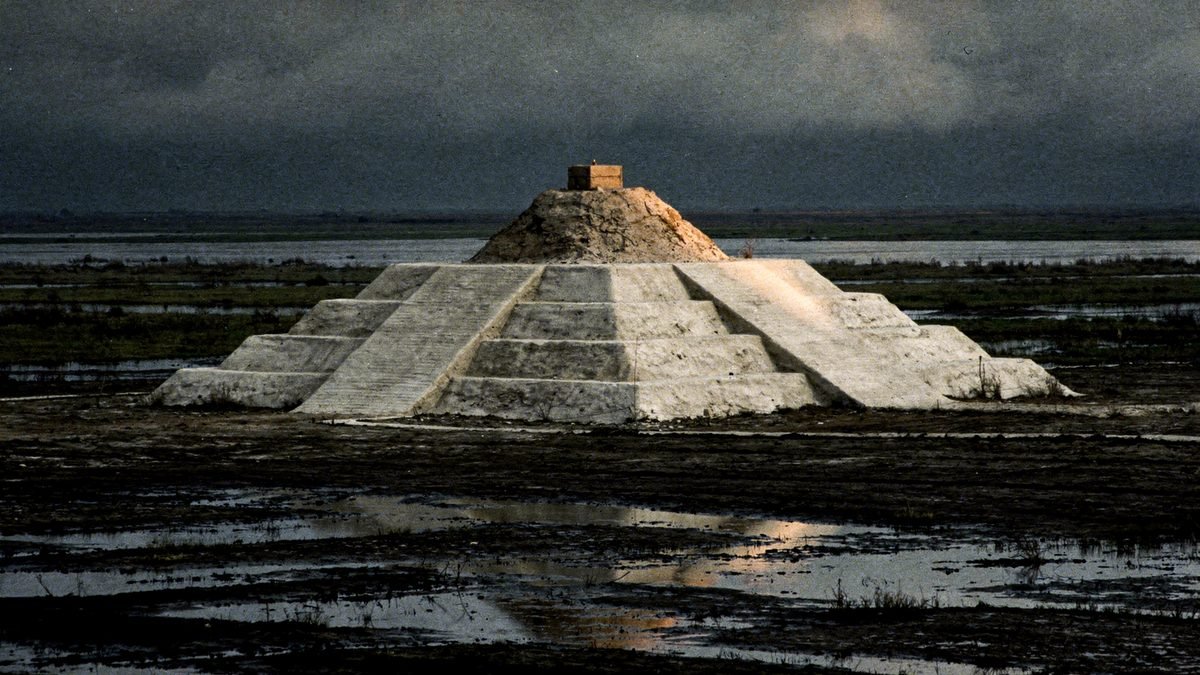
03 Generated images are labeled as such. Where no photograph of the site exists, the re-creation comes flagged. It never passes for a record.
04 Entirely original writing. The sources are listed at the end of each dossier; the text is written from scratch, never recycled.